Cold Brew Money: The Daily Ritual Gen Z Refuses to Apologize For
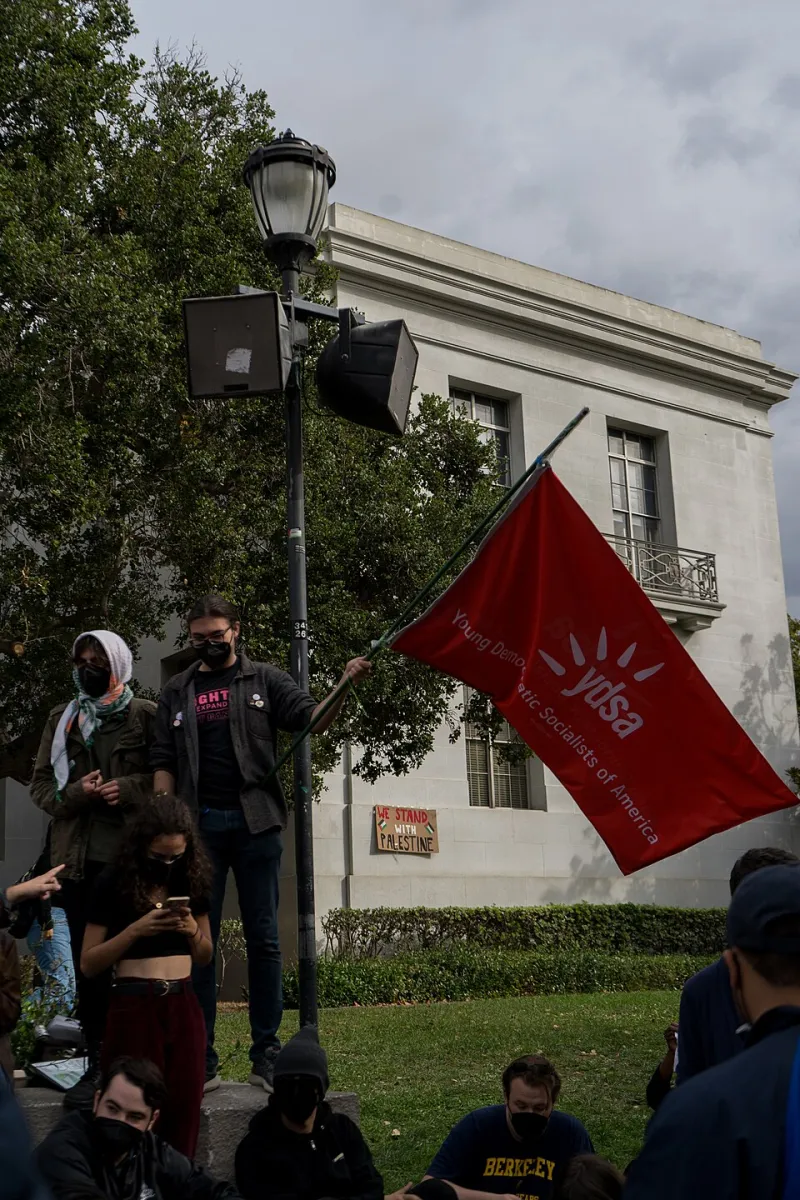
Photo: Kefr4000, CC0, via Wikimedia Commons
Every few months, some finance bro with a podcast resurrects the same lecture: if you stopped buying iced coffee, you'd have a down payment by Thursday. The math never holds up, the condescension always does, and yet the iced coffee remains — clutched in manicured hands from Austin to Providence, sweating condensation onto phone screens, entirely unbothered. Honestly? Good. Because the iced coffee was never really about the coffee.
The Cheapest Identity on the Market
Think about what a cold brew actually buys. It's a participation trophy in the coffee walk — that sacred daytime hangout where 'want to grab a coffee?' means 'I want to talk to you for an hour without the pressure of a meal.' It's a prop for the golden hour stroll, a reason to leave the apartment, a small consistent luxury in a period of history where big consistent luxuries (housing, healthcare, a weekend that actually recharges you) have drifted out of reach for a lot of twenty-somethings.
For five dollars — sometimes less — you get an identity marker, a social event, a mood regulator, and a beverage. Compare that to literally any other category of spending. The iced coffee might be the best deal in the American economy right now, and people are being scolded for it.
The 'Latte Factor' Math Isn't Mathing
The classic argument goes like this: $5 a day, 365 days, that's $1,825 a year! Invested at 7% returns, in forty years you'd have... a number that sounds big! What the latte factor crowd conveniently skips: the $5 cold brew isn't discretionary money being torched. For most young workers, it's a rounding error next to rent that consumes half a paycheck. Cutting the coffee doesn't produce a house. It produces a person who gave up one of their only daily pleasures and still can't afford a house.
Financial shaming aimed at small joys is a misdirection play. The real budget-busters are structural — and no amount of home-brewed espresso will fix a housing market. Gen Z has largely figured this out, which is why the latte-shaming content increasingly reads like a boomer yelling at a cloud while the cloud sips an oat milk latte.
The At-Home Cold Brew Renaissance
That said, the culture has responded with ingenuity rather than capitulation. The at-home cold brew scene is genuinely thriving: mason jar overnight steeps, French press hacks, cheap concentrate from the grocery store doctored up with cinnamon and oat milk until it rivals the café version. TikTok is full of 'coffee cart at home' setups — a corner of a dorm or studio kitchen with syrups lined up like a bar, costing pennies per cup.
But notice what the hacks reveal: even when Gen Z can make it cheaper, they still buy the coffee shop cup. Because the purchase was never the point. The walk is the point. The barista who knows your order is the point. The little hit of 'I chose this for myself today' is the point.
Order the Coffee
Here's the take: budgeting is a good thing, and sure, if you're genuinely in crisis mode, brew at home for a month. But the cultural guilt trip around small daily pleasures — almost always aimed at young women, almost always framed as irresponsibility — deserves to be retired. A daily iced coffee is not why the economy feels broken. It's a five-dollar act of rebellion against a world that keeps telling young people to delay all joy until some future that never arrives.
So this summer: take the coffee walk. Order the absurdly specific order. Sit outside with the cup sweating in your hand and the sun doing its thing. Stay golden, stay caffeinated, and stop apologizing for either.