From $5 Rack to Full Serve: The Gen Z Thrift Flippers Redefining What Summer Style Even Means
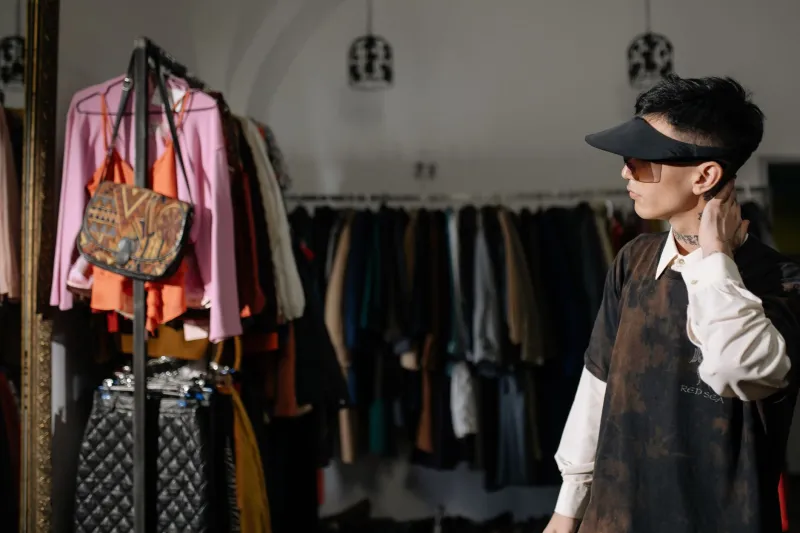
Somewhere between a Goodwill bin and a ring light, a new kind of fashion icon was born. They're not wearing couture. They're not sponsored by a fast fashion brand with a discount code. They're wearing something they found for four dollars on a Tuesday afternoon, cut apart, resewed, and styled into something that looks like it belongs on a runway — and their followers are absolutely losing their minds over it.
Welcome to the thrift flip era, the corner of the creator economy where sustainability meets street style and the results are, genuinely, some of the most compelling fashion content on the internet right now.
The Rise of the Flip Creator
The concept of thrift flipping — buying secondhand clothing and transforming it into something new through cutting, dyeing, embellishing, or resewing — isn't brand new. DIY fashion has existed as long as fashion itself. But what Gen Z has done with it, particularly through TikTok and Instagram Reels, is turn a niche hobby into a full cultural movement with real economic weight.
Creators in this space have built followings in the hundreds of thousands by doing something deceptively simple: showing their work. The before-and-after format is catnip for social media algorithms, but what keeps audiences coming back is the creativity on display. A boxy men's blazer from the '90s becomes a cropped summer jacket. A stained maxi skirt gets cut into a two-piece set. A set of vintage curtains — yes, curtains — becomes a cottagecore sundress that goes viral overnight.
The relatability is a massive part of the appeal. These creators aren't working with designer budgets or professional tailoring equipment. They're using basic sewing machines, fabric scissors, and an eye for potential that most of us walk right past in the thrift store aisle. The message is clear and kind of radical: you don't need money to have style. You need vision.
The Sustainability Angle That Actually Lands
Let's talk about the environmental dimension, because it's impossible to discuss thrift flipping without it — and unlike a lot of corporate sustainability messaging, this one actually holds up.
Fast fashion is one of the most polluting industries on the planet. The model of producing cheap, trend-driven clothing at massive scale, selling it at low prices, and watching it end up in landfills within a season is a well-documented disaster. Gen Z, more than any previous generation, has grown up with this knowledge baked in. They've seen the viral videos of textile waste mountains in Chile's Atacama Desert. They've read the investigative pieces. They're not naive about where a $12 dress from an ultra-fast-fashion app actually comes from.
Thrift flipping offers a genuinely satisfying counter-narrative. Every piece that gets transformed and worn again is a piece that didn't end up in a landfill. Every dollar spent at Goodwill, Savers, or a local thrift store is a dollar not going to a brand with questionable labor practices. The environmental logic is tight, and it resonates — especially when it's communicated through a genuinely gorgeous fit reveal rather than a lecture.
That combination of aesthetic pleasure and ethical alignment is exactly why this content performs so well with younger audiences. It feels good to watch, and it feels good to care about.
Creative Problem-Solving as Content
One of the most underrated aspects of the thrift flip trend is what it says about how Gen Z approaches creativity. These creators aren't just making clothes — they're demonstrating a kind of resourceful, problem-solving mindset that's genuinely compelling to watch.
The constraints are part of the appeal. You can't just order exactly what you want in the right size and color. You work with what you find. That limitation forces creative decisions that often produce results more interesting than anything you could have planned from scratch. A weird fabric pattern becomes the focal point of the design. An awkward cut gets reworked into an intentional asymmetry. Imperfection becomes a feature.
This ethos connects to a broader Gen Z aesthetic sensibility that values authenticity and individuality over polish and conformity. The slight irregularity of a hand-hemmed skirt isn't a flaw — it's proof that a real person made something with their hands, and that's worth more than any mass-produced garment with perfect seams.
What Counts as Luxury Now
Perhaps the most culturally interesting thing happening in this space is the quiet redefinition of what luxury means for young fashion consumers. The traditional markers — brand name, price point, exclusivity — are losing ground to a different set of values: uniqueness, story, craft, and alignment with personal identity.
When a creator posts a thrift flip that racks up two million views, the item in question becomes, functionally, more desirable than anything in a fast fashion haul. It's one of a kind. It has a narrative. It required skill and vision. Those are luxury qualities, even if the raw material cost less than a cup of coffee.
This shift is making waves in the broader fashion industry. Brands are taking note of the DIY aesthetic and attempting to replicate it (with mixed results — you can't really manufacture authenticity). Meanwhile, thrift stores in major cities are reportedly seeing increased foot traffic from younger shoppers who a decade ago might have gone straight to the mall.
Tips for Starting Your Own Thrift Flip Journey
Feel inspired? Good. Here's how to get started without feeling overwhelmed.
Shop with an open mind, not a shopping list. The magic of thrifting is in the unexpected find. Go in without a rigid idea of what you're looking for and let the racks surprise you. Focus on fabric quality, interesting patterns, and pieces with structural potential rather than pieces that are already perfect.
Start with low-commitment flips. Before you take a seam ripper to a vintage blazer, practice with something simple — cropping a T-shirt, distressing denim, or adding embroidery to a basic piece. Build your skills before tackling complex reconstructions.
Invest in a few basic tools. A decent sewing machine, sharp fabric scissors, seam ripper, iron, and some basic thread will take you surprisingly far. You don't need a full studio setup to create genuinely impressive work.
Document everything. Even if you're not trying to build an audience, photographing your before-and-after process is useful for tracking your growth and building a portfolio. And if you do decide to share — the thrift flip community is one of the most supportive corners of fashion social media.
Hit different thrift spots. Goodwill and Salvation Army are reliable, but don't sleep on estate sales, Facebook Marketplace, local church rummage sales, and clothing swaps. Variety in sourcing means variety in what you find.
The Bigger Flex
At its core, the thrift flip movement is about reclaiming fashion as a form of personal expression rather than a consumption habit. It's about saying that your style doesn't belong to a brand, a trend cycle, or a price point. It belongs to you — your eye, your hands, your creativity.
For a generation navigating economic uncertainty, environmental anxiety, and a relentless pressure to keep up with fast-moving trends, that reclamation feels genuinely radical. And when the result is a summer fit that stops people mid-scroll?
That's not just sustainable fashion. That's power.