Forget the Algorithm — Your Best Summer Adventure Is Already Around the Corner
Somewhere along the way, "travel" became a performance. You know the drill: book the flight, queue up at the same overlook everyone else has photographed, post the content, feel vaguely empty. Rinse and repeat until your PTO runs out and your credit card statement arrives like a reckoning.
Quiet travel had its moment — the idea of slipping off to some obscure European village and going fully off-grid, no posts, no stories, just vibes. Cool concept. Also, still requires a transatlantic flight and a passport, which, not exactly accessible for most people working a regular job in the US.
But here's the thing nobody's saying loudly enough: the most genuinely exciting, culturally rich summer experiences of 2024 aren't happening in places you need a boarding pass to reach. They're happening in the overlooked corners of Chicago's South Side, the warehouse districts of Detroit, the bayou-adjacent neighborhoods of New Orleans, the DIY art pockets of Philadelphia. They're happening this weekend, probably within twenty minutes of where you're sitting right now.
Hyper-local micro-adventures are the move. And they're anything but quiet.
The Death of the Instagram Destination
Let's pour one out for the era of the Instagram destination — those algorithmically amplified spots that became so crowded with content creators that the actual experience evaporated. The lavender fields. The neon signs in LA alleyways. The specific coffee shop in NYC that every lifestyle influencer photographed from the same angle for approximately three years straight.
Gen Z and younger millennials are done with it. Not because they don't care about aesthetics — they absolutely do — but because they've developed a sharp radar for what's authentic versus what's been optimized into meaninglessness. When a place exists primarily to be photographed, it stops being a place and starts being a set. And sets get boring fast.
The pivot toward hyper-local isn't just about rejecting the familiar. It's about reclaiming the experience of genuine discovery — that specific electricity of stumbling onto something real that most people don't know about yet.
What a Micro-Adventure Actually Looks Like
Forget the five-star hotel and the curated itinerary. A micro-adventure in 2024 looks more like this:
It's a Saturday morning in Atlanta where you're biking through the BeltLine to a pop-up flea market run by Black vendors selling vintage, handmade jewelry, and jerk chicken out of a converted trailer. It's a Sunday afternoon in Minneapolis where a community organization has turned a vacant lot into a temporary outdoor venue for a local jazz collective you found on Eventbrite at 11pm the night before. It's a Tuesday evening in Los Angeles — not the westside, not the hills — but East LA, where a neighborhood art walk is happening in a stretch of studios that have existed quietly for decades while the rest of the city looked elsewhere.
These aren't manufactured experiences. They're living, breathing cultural moments generated by communities for communities — and the fact that they're not on the front page of a travel magazine is exactly what makes them worth showing up for.
The Pop-Up Economy Is Having Its Best Summer Ever
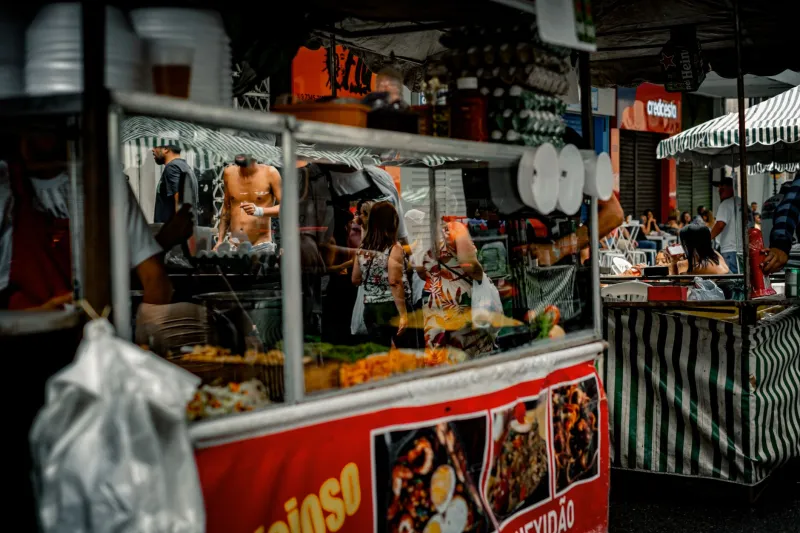
One of the defining features of hyper-local culture right now is the explosion of pop-up events — temporary, community-driven, often deliberately underground gatherings that don't exist long enough to get overhyped. Food pop-ups, clothing swaps, outdoor cinema nights, vinyl record markets, guerrilla gallery shows in empty storefronts.
Cities like Houston, Portland, and Nashville have become hotbeds for this kind of culture, driven partly by young creatives who can't afford permanent retail or gallery space but refuse to wait for permission to build something. The result is a summer calendar full of events that feel urgent and alive in a way that a polished food hall or a chain rooftop bar simply cannot replicate.
Finding them requires a different kind of effort than Googling "best restaurants near me." You follow the right local Instagram accounts. You join the neighborhood Facebook group you've been ignoring. You actually talk to the person at the coffee shop with the interesting tote bag. The discovery is part of the adventure.
Why This Hits Different Culturally
There's something genuinely progressive happening underneath all of this. When young people redirect their leisure dollars and their attention toward local economies, local artists, local food vendors, and local event organizers, they're making a political choice as much as a lifestyle one.
The travel industry — particularly the influencer-driven, resort-industrial-complex version of it — has a complicated relationship with the communities it profits from. Over-tourism hollows out neighborhoods, inflates housing costs, and turns living cultures into theme parks. Choosing to invest your summer energy locally isn't just a vibe. It's a value.
And honestly? It's also just more fun. You're not competing with a thousand other tourists for the same experience. You're actually participating in something.
How to Start Your Own Micro-Adventure Season
You don't need a plan. You need a posture — an openness to the idea that your city, your neighborhood, your region has more going on than you've given it credit for.
Start by auditing your local event ecosystem. Check Eventbrite, Meetup, community newsletters, and neighborhood social media groups. Look for the things that seem slightly too niche, slightly too local, slightly too unpolished for mainstream coverage. Those are usually the ones worth attending.
Then go. Without the camera as your primary purpose. Without the pressure to document it perfectly. Just show up and be a person in a place that's doing something interesting.
The summer of 2024 doesn't need you to fly anywhere. It just needs you to look up from your phone long enough to notice what's already happening outside your door. That's the real adventure — and it's way cooler than anything the algorithm was going to suggest anyway.