Skip the Tourist Trap: The Case for Spending Your Summer in a Town Nobody's Heard Of
Let's be honest about something. There's a very specific kind of exhaustion that comes from showing up somewhere you've technically already seen — because you've seen it a hundred times on your For You page before you ever set foot there. The famous mural. The aesthetic coffee shop. The beach with the exact angle everyone photographs. You're physically present, but the discovery is already gone. The algorithm got there first.
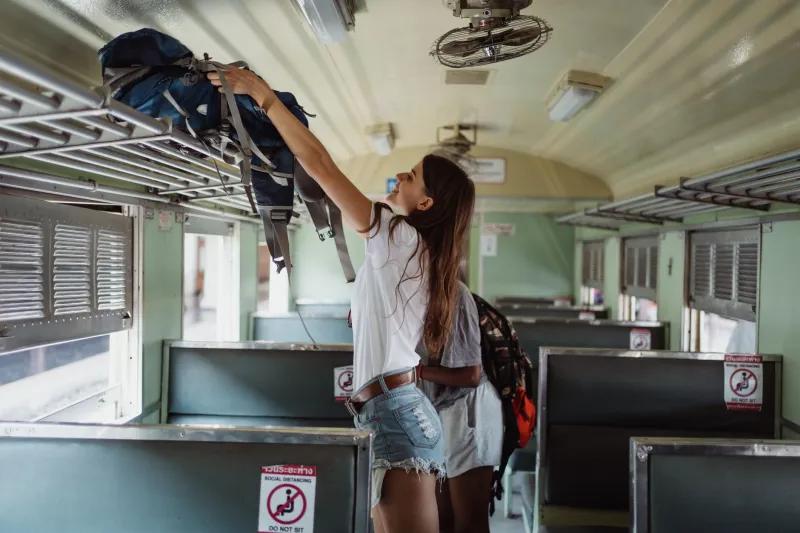
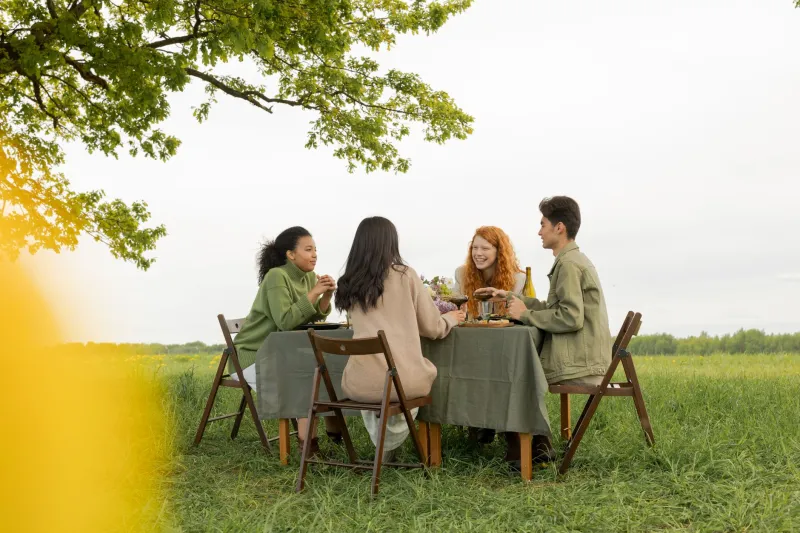
This summer, a quietly growing segment of Gen Z is opting out of that cycle entirely. Instead of chasing the influencer itinerary, they're going hyperlocal — exploring the farmers markets in small Midwestern towns, the street murals in overlooked Southern cities, the family-run taco spots in places that don't have a Yelp page yet. And what they're finding? Turns out, the most memorable summer moments are hiding in the places no one told you to go.
The Overcrowded Problem With "It" Destinations
Overtourism isn't a new concept, but it's hitting differently right now. The towns that went viral — think Sedona, Asheville, Marfa — have spent the last few years contending with crowds that fundamentally change the character of what made them special in the first place. Parking lots where there used to be open land. Two-hour waits at restaurants that were once neighborhood gems. Prices adjusted for the Instagram visitor rather than the actual community.
For young travelers who care about authenticity (and, increasingly, about the ethical dimensions of where their travel dollars go), this tension is real. There's something uncomfortable about contributing to the gentrification of a place simply by showing up because an influencer told you to. The vibe is off. The discovery is manufactured. And deep down, most people can feel the difference.
Hyperlocal travel is, in part, a correction to all of that. It's the deliberate choice to go somewhere that hasn't been pre-packaged for consumption — and to engage with it on its own terms.
What Hyperlocal Actually Looks Like
Here's what we're not talking about: a curated list of "hidden gem" destinations that are already showing up in travel roundups. The moment something gets labeled a hidden gem, the clock starts ticking on how long it stays one.
What we are talking about is a mode of travel — a mindset, really — that prioritizes depth over distance and local knowledge over Google Maps recommendations. It looks like spending a weekend in a small Ohio river town and ending up at a Saturday farmers market where a local ceramicist is selling hand-thrown mugs for $12. It looks like driving through a mid-sized Texas city on the way to somewhere else and stopping because you spotted a mural on the side of a building that turned out to be part of a whole neighborhood arts initiative you'd never heard of. It looks like asking your server at the diner where they actually eat, and following that recommendation to a spot with no social media presence and the best green chile you've ever had.
This kind of travel can't be fully planned in advance. It requires a certain willingness to slow down, pay attention, and let the place reveal itself rather than arriving with a checklist.
The Small Business Dimension
There's also a values alignment happening here that's very Gen Z. Supporting small, independently owned businesses — especially in communities that don't see a ton of outside economic activity — has a tangible impact in a way that spending money at a chain restaurant in a tourist district simply doesn't.
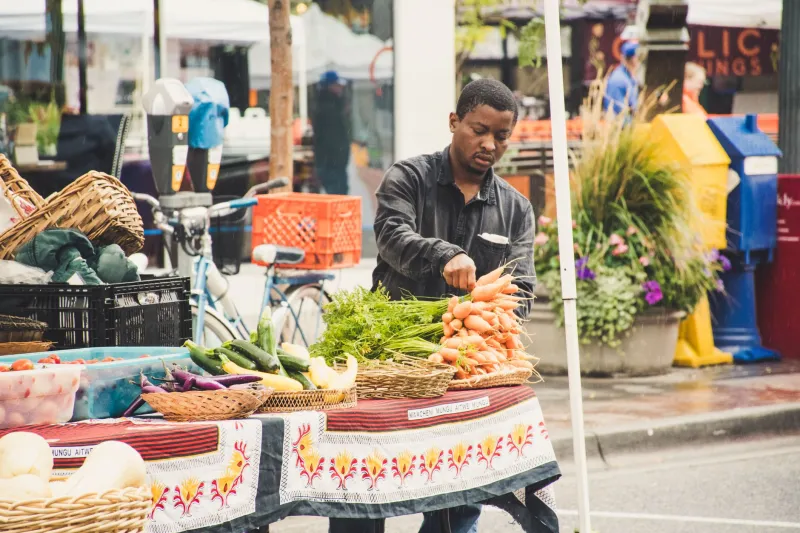
When you buy a jar of locally made hot sauce at a farmers market in rural Arkansas, or pay for a print by an artist working out of a studio in a small New Mexico town, or eat lunch at a family-owned Vietnamese restaurant in a mid-sized Kentucky city, you're participating in a local economy in a direct, meaningful way. The money stays closer to the community. The business owner actually benefits. And you go home with something genuinely unique — a story, an object, a meal — that didn't come from the same supply chain as everyone else's vacation.
Gen Z's progressive economic instincts, their wariness of corporate homogenization, and their genuine desire for authentic experiences all converge here. Hyperlocal travel isn't just a trend. It's a values expression.
How to Actually Find These Places
Okay, so you're sold on the concept. But how do you find the good stuff when you're specifically trying to avoid the stuff that's already been found?
A few approaches that actually work:
Go analog. Ask people. Seriously. Talk to the person at the gas station, the hotel front desk, the coffee shop. Ask where they go, not where they send tourists. The answers are almost always better.
Use Facebook Groups, not Instagram. Local community Facebook groups are genuinely underutilized gold mines. Search for groups tied to a specific town or region and scroll through — you'll find references to events, businesses, and spots that haven't made it to any travel blog.
Follow local journalists and food writers. Most mid-sized American cities have at least one local alt-weekly or independent food publication. Their writers know the scene intimately and are covering it without the SEO optimization that flattens everything into the same listicle.
Look at what's happening, not just what exists. Farmers markets, local music festivals, pop-up art shows, community fairs — these are events that bring out the actual character of a place. Check local event calendars for wherever you're headed.
Take the detour. If you're road-tripping and you see a sign for something interesting — a historical marker, a roadside attraction, a town name that makes you curious — stop. The detour is often the whole point.
The Memory Math
Here's something worth thinking about: the experiences that stick with us, the ones we're still telling stories about years later, are almost never the ones that went exactly according to plan. They're the unexpected conversations, the wrong turn that led somewhere incredible, the meal you stumbled into because it was the only restaurant open.
Mass tourism, by design, tries to eliminate that uncertainty. It packages experience into something predictable, replicable, and safe. Hyperlocal travel does the opposite — it reintroduces the friction that makes discovery feel real.
For a generation that grew up with every experience pre-optimized by an algorithm, that friction isn't a bug. It's the entire feature.
The Summer That Belongs to You
The most hip summer isn't the one that looks best on a grid. It's the one that actually happened — messy and spontaneous and full of moments that couldn't have been predicted because nobody else had already been there to predict them.
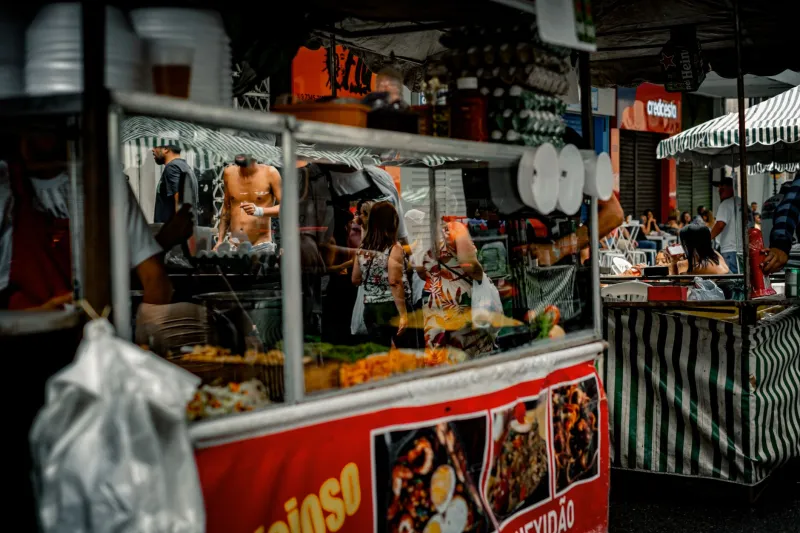
That farmers market in a town with a population of 4,000. That mural painted by a local artist who's been doing it for twenty years without a single viral moment. That taco truck parked outside a hardware store on a Tuesday afternoon in a city that doesn't make travel lists.
That's the summer worth having. And the beautiful thing is, it's everywhere — just slightly off the path everyone else is already walking.