Peace Is the New Party: How Gen Z Is Making Solitude the Hottest Move of the Summer

Somewhere between the third Instagram story of someone's beach bonfire and the fourth group chat ping asking "you coming tonight?", a growing number of Gen Z-ers made a quiet, almost subversive decision: they stayed home. They made tea. They read a book. And honestly? They felt completely fine about it.
This isn't a story about social anxiety or burnout — though those conversations matter too. This is about something more intentional. A whole generation is actively choosing solitude as a lifestyle, not a fallback. And it's reshaping what summer even looks like for young people across the country.
The FOMO Fatigue Is Real
For years, summer came pre-loaded with a kind of social pressure that felt almost contractual. You had to be doing something. Something visible, something shareable, something that proved you were living your best life. The algorithm rewarded chaos. Brands sold you the fantasy of endless, effortless fun. And somewhere in the middle of all that noise, a lot of people quietly started to crack.
Gen Z was the first generation to grow up fully inside that pressure cooker — social media wasn't something they discovered in college, it was the water they swam in from middle school on. So when the exhaustion hit, it hit differently. This wasn't just "I need a night in." It was a full reckoning with what they'd been performing, and for whom.
The result? A cultural pivot that's been building for a couple of years now and is hitting its stride this summer. Call it quiet girl summer, soft life energy, whatever label fits — the throughline is the same: peace over performance, every single time.
Solo Plans Aren't a Backup Plan Anymore
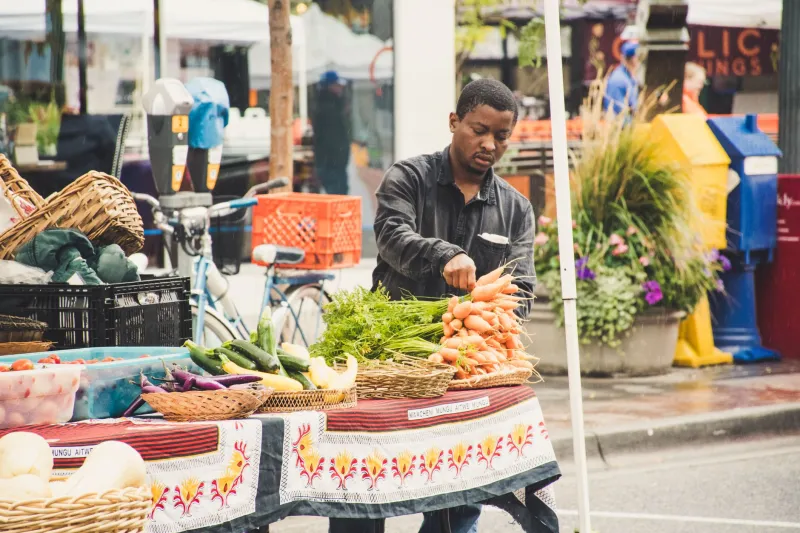
Here's what the shift actually looks like in practice. It's the 23-year-old in Austin who blocks off Saturday mornings for a solo trip to the farmers market, journal in tow, zero plans to meet anyone. It's the girl in Chicago who's spending her PTO on a solo road trip through the Midwest, stopping at small-town diners and writing about it — not for a travel blog, just for herself. It's the guy in LA who's turned Sunday evenings into a sacred solo ritual: vinyl records, a good cookbook, no screens.
These aren't people who couldn't find plans. They're people who found something better than plans.
Solo reading sessions in the park have replaced brunch hangs for a whole contingent of young women who are finally admitting they find brunch kind of exhausting. One-on-one hangouts — a walk, a coffee, a long conversation — are edging out group outings that require a group chat consensus and a two-week lead time. The intimacy is the point. The quiet is the point.
Why This Is Actually a Flex
There's something genuinely countercultural about choosing stillness in an attention economy that profits from your restlessness. Every refresh, every story view, every RSVP is data. The machine wants you moving, consuming, reacting. Opting out — truly, deliberately opting out — is one of the few acts of resistance that doesn't require a protest sign.
Gen Z gets this intuitively. They've grown up watching the burnout cycle play out in real time, from the hustle culture crash of the early 2020s to the very public mental health reckonings of influencers who seemed to have it all. The lesson landed: curating a life for external validation is a losing game. Choosing your own rhythm, your own pace, your own definition of a good summer? That's power.
And there's a confidence to it that's genuinely new. Previous generations had to apologize for being homebodies. Now, saying "I'm keeping it low-key this summer" carries the same energy as announcing a glow-up. The subtext is: I know what I need, and I'm not apologizing for it.
The Culture Is Catching Up
It's not just individual choices shifting — the broader cultural conversation is moving too. The "girl dinner" and "girl math" moments that went viral last year were early signals of this: a generation finding humor and solidarity in opting out of the grind, in doing less, in giving themselves permission to exist without optimizing every moment.
Music is reflecting it too. The songs that are resonating right now aren't all club anthems — there's a whole sonic landscape of slow, introspective, bedroom-pop adjacent tracks that soundtrack the vibe of a quiet Saturday in. Artists like Clairo, Samia, and Ethel Cain have built devoted fanbases precisely because their music sounds like solitude made beautiful. It's not sad. It's spacious.
Even the fashion world is picking up the signal. The aesthetic of a quiet summer — linen everything, worn-in paperbacks, a single good candle — has its own visual language now. It's not about being seen. It's about being comfortable in your own skin, in your own space, without an audience.
What You're Actually Gaining When You Opt Out
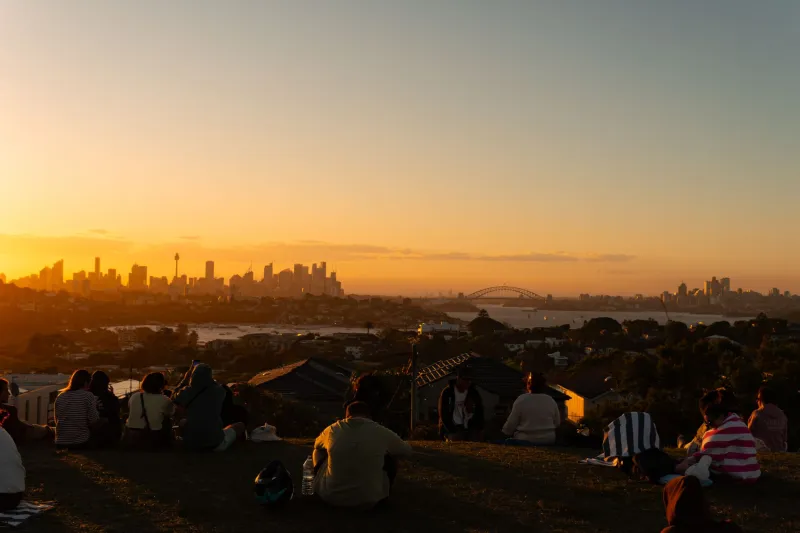
Here's the thing nobody tells you when you're deep in FOMO mode: the parties you skip aren't usually the ones you'll remember anyway. The moments that actually stick — the ones that feel like real life — tend to be quieter. A long phone call with someone you love. A book that wrecked you in the best way. A solo walk at golden hour where you finally figured something out about yourself.
Gen Z is reclaiming those moments. They're building summers that belong to them, not to their follower count. And in doing so, they're rewriting the cultural script around what it means to be young and alive in the summer — away from the performative grind and toward something that actually feels good.
Solitude used to be something you explained. Now it's something you protect.
And honestly? That's the most hip thing happening this season.